SecurityEndpoints & devicesNote
N-able takes N-central offline worldwide after 33 exploits go public
N-able’s status page, the researcher’s repository and CISA’s list, 31 July to 10 November: why a published exploit set shut a remote-management service in three regions.

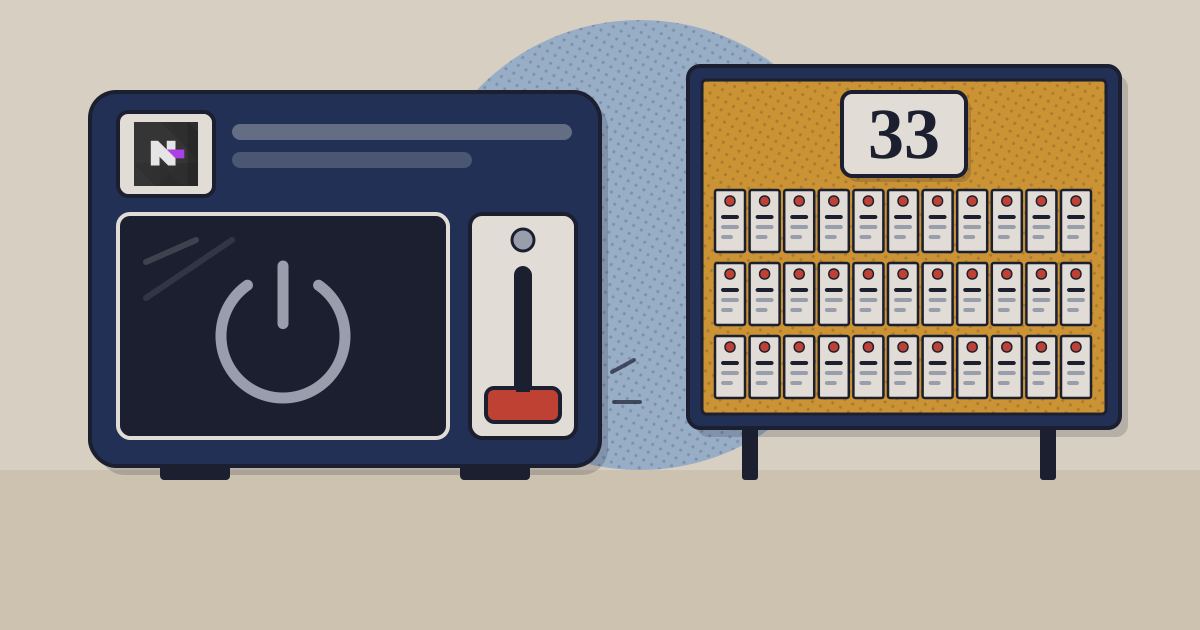
N-able took its hosted N-central service offline across the Americas, Europe and Asia-Pacific on 9 November and told customers who run the software on their own servers to switch them off, hours after a researcher published 33 exploits for it on GitHub.12 N-central is remote monitoring and management software: managed service providers and IT teams use it to run their customers’ machines from one console. N-able says it is seeing scanning activity tied to the published code, and has no evidence that any customer environment has been successfully exploited.3 At 7:30pm IST on 10 November the service was still down, and the hotfix promised for mid-day US Eastern time that day had not shipped.3
01What was published
The repository, called Able2Shell, went up at 04:14 UTC on 9 November, late on Sunday night in the US.12 Its author, Sean Bales, tested against N-central 2026.4.0.31, a pre-release build, and says “most if not all” of it should work on earlier versions. It assigns no CVE numbers.1 The most serious entry, by his account, chains an XML flaw that needs no login into running commands on the server, and can create an enabled administrator account with credentials the attacker chooses.12 BleepingComputer has not independently verified all of them, but N-able says it is building a hotfix.2
The two sides disagree about how it came out. N-able calls it “non-responsible communication”. Bales, who says the discovery was AI-assisted, told BleepingComputer he gave no warning because two remote-code flaws and a privilege-escalation flaw he reported in a different N-able product five or six months ago remain unpatched. N-able did not answer that question.2
02Why one console is different
A flaw in ordinary business software exposes that software. A flaw in remote-management software exposes everything it manages. N-able described exactly that in August, after a zero-day in the same product: the attacker “used N-central’s Take Control feature to connect to managed devices” and left tunnels on them that survived losing access to N-central itself.4 Its latest quarterly filing lists among its risks compromises of “our, our customers’, or their SMB and mid-market customers’ systems”, three layers deep.5 Government agencies in five countries warned in 2022 that a vulnerable managed service provider can be “an initial access vector to multiple victim networks”.6
N-central’s third security emergency since 31 July; CISA listed flaws from the first two as exploited
Dated events in N-central’s security record, 31 July to 10 November (the last is N-able’s estimate)
Show tableHide table
| Date | Event | Detail |
|---|---|---|
| 31 Jul 2026 | N-able finds a zero-day in use at a customer | Later CVE-2026-18556 and CVE-2026-18577; CISA listed both as exploited on 3 and 4 August |
| 2 Aug 2026 | Hotfix 1 released | |
| 6 Aug 2026 | Hotfix 2, for a related attack path | |
| 8 Sept 2026 | CISA lists CVE-2026-86218 as exploited | |
| 9 Nov 2026 | 33 exploits published on GitHub | 04:14 UTC |
| 9 Nov 2026 | Hosted N-central offline in three regions | Status-page incident start, 14:00 UTC |
| 10 Nov 2026 | Hotfix due, mid-day US Eastern | N-able’s estimate; not delivered at 7:30pm IST |
Source: N-able; CISA KEV catalogue; researcher’s repository · as of 10 November 2026 · “Third” is our count of separate incidents
CISA’s catalogue of exploited flaws now holds five entries for N-central, three of them added since August.7 For the wider pattern, see our Note on exploited flaws in self-hosted RMM servers.
03What to do
If you run N-central on your own servers, keep them off until the hotfix is out and installed: that is N-able’s instruction. Asset View, patching and scripting stay available through N-able Login in the meantime.3 Patching will not be the end of it. N-able said so itself in August, when it warned that a hotfix “does not remove a threat actor who may already be present” and told customers to review every user account and access privilege.4 Given what this repository claims to do, look first for administrator accounts nobody remembers creating. If an outside provider runs your IT, ask whether it uses N-central, and whether its server has been off since 9 November.
Sources
- Sean Bales, Able2Shell repository: README and index (Oracle-Security/CVEs on GitHub) — 9 November 2026
- BleepingComputer, N-able takes cloud platform offline after 30+ “zero-days” published — 9 November 2026
- N-able, status page: N-central Critical Security Incident (event 202580) — 9–10 November 2026
- N-able, N-central Security Update (first published 6 August, updated 10 August) — 10 August 2026
- N-able, quarterly report on Form 10-Q, quarter to 30 September 2026 — 5 November 2026
- CISA and partners, Protecting Against Cyber Threats to Managed Service Providers and their Customers (AA22-131A) — 11 May 2022
- CISA, Known Exploited Vulnerabilities catalogue (N-able entries) — as released 9 November 2026
Disclosure. TechBag is a software reseller: it earns a margin when a reader buys through it, including from vendors named here. The analysis is TechBag’s own; no vendor paid for or saw this piece before publication. Facts are labelled reported, TechBag count or our view.
Keep reading