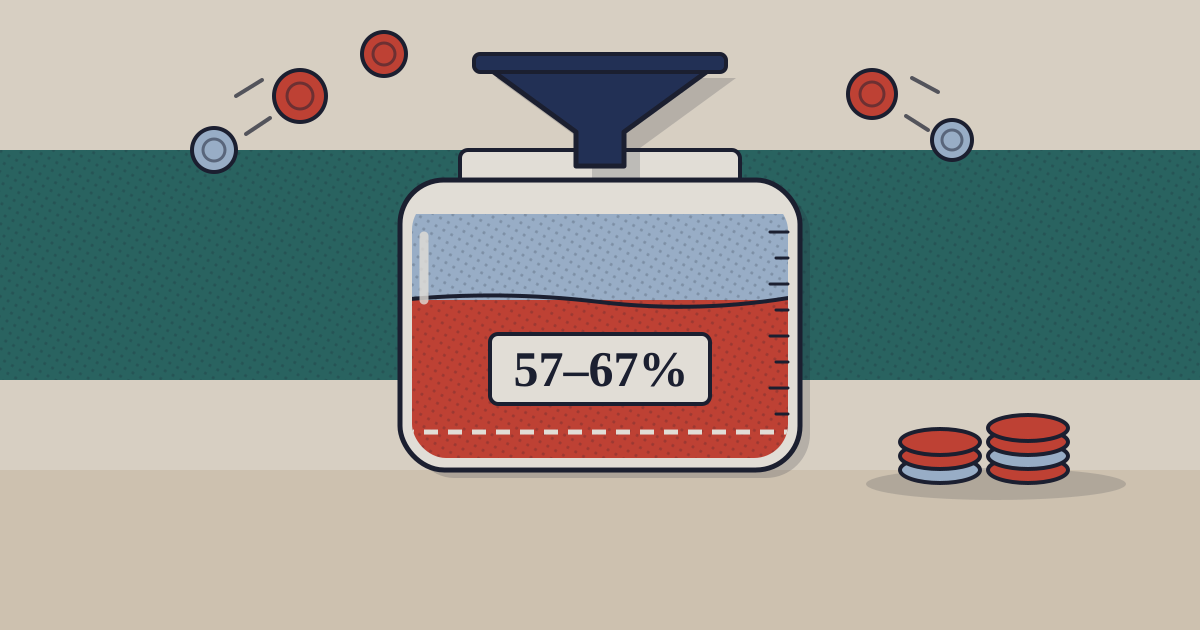
Radiology holds 1,230 of the FDA's 1,614 AI medical devices
Every entry on the US FDA's list of AI-enabled medical devices, counted by specialty and year to June 2026, and what CDSCO, ICMR and the DPDP Rules ask in India.

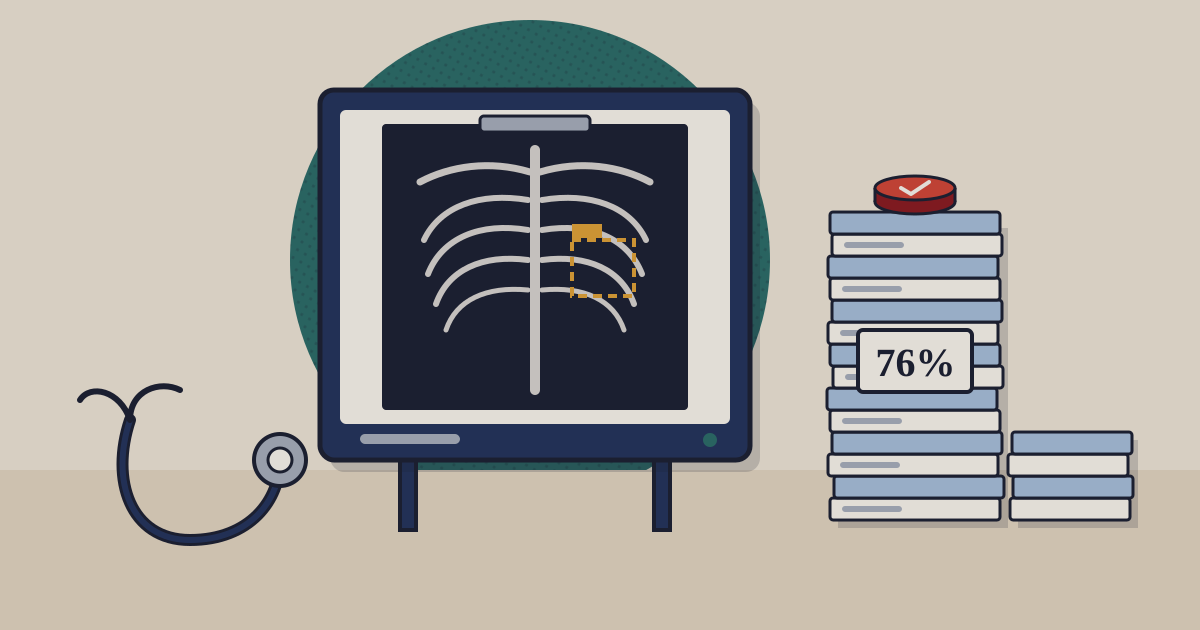
Of the 1,614 AI-enabled medical devices the US Food and Drug Administration had authorised by 29 June 2026, 1,230 were reviewed by its radiology panel: three in every four.1 The 2023 original of this piece asked what AI could do for healthcare and listed diagnosis, personalised treatment, chronic disease, efficiency and cost. The regulator’s register gives a narrower and more useful answer: so far, clinical AI that reaches patients mostly reads images.
02The original’s challenges, restated as a buying test
The 2023 list of challenges (data quality, privacy, standards, resistance to change, ethics) still holds. For a hospital buying a product rather than building one, three of them become questions for the vendor: was the model validated on patients like ours, where does the imaging data go, and who signs off when it is wrong.
In India, software with a medical purpose is licensed as a medical device. On 21 October 2025 CDSCO issued draft guidelines for medical device software that place AI and machine-learning software in the software-as-a-medical-device class, risk-graded A to D, with an algorithm change protocol for model updates.2 ICMR’s ethical guidelines for AI in healthcare, issued in March 2023, add ethics-committee review and informed consent for research use.3 Scans and reports are personal data under the DPDP Act; the Rules were notified on 13 November 2025 and the security-safeguard and breach-notice duties apply from 13 May 2027.4 No vendor on the FDA list prints an India price: expect a quote per scanner or per study, in USD converted to INR, plus GST at 18% where the software is supplied as a service.
Sources
- US FDA, Artificial Intelligence-Enabled Medical Devices list (CSV download) — final decisions to 29 June 2026
- MediaNama, CDSCO draft guidelines for medical device software (SiMD and SaMD; AI-ML software; algorithm change protocol) — 5 November 2025 Draft released 21 October 2025.
- ICMR, Ethical Guidelines for Application of Artificial Intelligence in Biomedical Research and Healthcare — March 2023 Release reported by BioSpectrum, 24 March 2023.
- Legismith Partners, DPDP Rules 2025 commencement timeline — Rules notified 13 November 2025
Related on TechBag: the data security posture guide covers finding where patient data sits; the encryption & rights guide covers keeping scans and reports readable only by the people treating the patient.
Disclosure. TechBag is a software reseller: it earns a margin when a reader buys through it, including from vendors named here. The analysis is TechBag’s own; no vendor paid for or saw this piece before publication. Facts are labelled reported, TechBag count or our view.
Keep reading