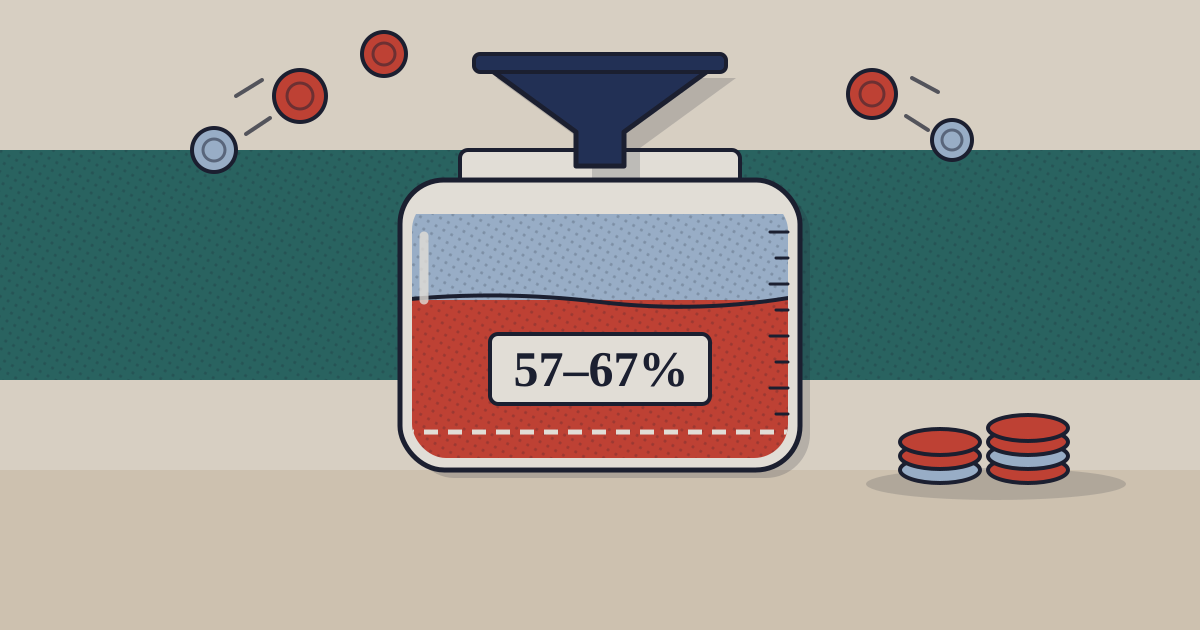
Shopify and Webflow take 2% of each sale on entry plans; Zoho Commerce takes 0%
The platform's own fee per sale on the store plans of Shopify India, Webflow and Zoho Commerce, on top of a 2% gateway, and where the AI fits. As of September 2026.


Building the store is no longer the hard part; the fee on every sale is. Shopify’s Basic plan in India and Webflow’s entry store plan both take 2% of each order on top of the payment gateway, while Zoho Commerce takes nothing on its paid plans.123 The 2023 version of this piece asked whether a small business could build a store with no code and AI. In September 2026 the answer is yes on every platform named here. The useful question is what that store costs once it sells.
01The no-code and the AI are now included
Shopify lists Sidekick, its AI assistant for writing product copy, editing photos and setting up the store, as included on every plan.1 Webflow sells AI as an add-on, US$20 a month for 2,000 credits billed yearly.2 Bubble, which the original also recommended, is an app builder rather than a store: its Starter plan is US$29 a month billed yearly for the web, its pricing page lists no checkout, and payments arrive through plugins.4 For a shop that wants a catalogue, a cart and a checkout, building one in Bubble means rebuilding what the store builders ship ready.
02The fee on each sale is the real price
Two entry plans take 2% of every sale; Zoho Commerce and Webflow’s next tier take none
Platform fee per order, per cent of order value, on top of the payment gateway, September 2026
Source: Shopify India, Webflow and Zoho Commerce pricing pages · as of 30 September 2026 · Shopify’s fee applies with third-party gateways; Shopify Payments is not offered in India
03Which one, then
Our view: a first store with modest sales should start on the cheapest plan and move up on arithmetic, not on features. On Webflow the US$45 step from Standard to Plus pays for itself once monthly sales pass about US$2,250, because the 2% fee disappears. A business that already runs Zoho Books or Zoho CRM has a reason to test Zoho Commerce first. The AI is a reason to pick none of them; every one will write a product description.
In India, Shopify prints rupee prices; Webflow and Bubble bill in US dollars, so budget 18% GST on an INR invoice through a reseller. Razorpay charges 18% GST on its fee, not on the sale.5 A store that owns its stock and sells online is an inventory e-commerce entity under the Consumer Protection (E-Commerce) Rules, notified on 23 July 2020, and must run a grievance officer who acknowledges complaints within 48 hours.6 The DPDP Rules, notified on 13 November 2025, bring consent and security duties over customer data from 13 May 2027.7
Sources
- Shopify, Pricing (India): Basic ₹1,499, Grow ₹5,599 a month billed yearly; third-party fee 2% and 1%; Sidekick included — undated page
- Webflow, Pricing: Ecommerce Standard US$29 (2% fee), Plus US$74 (0%) billed yearly; AI credits add-on US$20 — undated page
- Zoho Commerce, Pricing: 0% transaction fee on paid plans — undated page
- Axon Build, Bubble pricing (prices checked against Bubble’s plan documentation) — 13 September 2026
- Razorpay, Pricing (standard plan, 2% per domestic transaction; 18% GST on the fee) — undated page
- HSA Advocates via Legal 500, The Consumer Protection (E-Commerce) Rules, 2020 — 17 September 2020
- DPDP Rules 2025, commencement timeline — notified 13 November 2025
Related on TechBag: Zoho Books covers GST invoicing for a store’s orders; the catalogue lists every product TechBag quotes in INR with GST.
Disclosure. TechBag is a software reseller: it earns a margin when a reader buys through it, including from vendors named here. The analysis is TechBag’s own; no vendor paid for or saw this piece before publication. Facts are labelled reported, TechBag count or our view.
Keep reading