SecurityRisk & complianceTrend
Japan’s listed firms leaked 350m records in ten months, over 10 times last year
Tokyo Shoko Research’s count to October: 215 leak incidents at listed companies, already a full-year record, 109 of them in October, ten above 10 million records, and who lost the most.

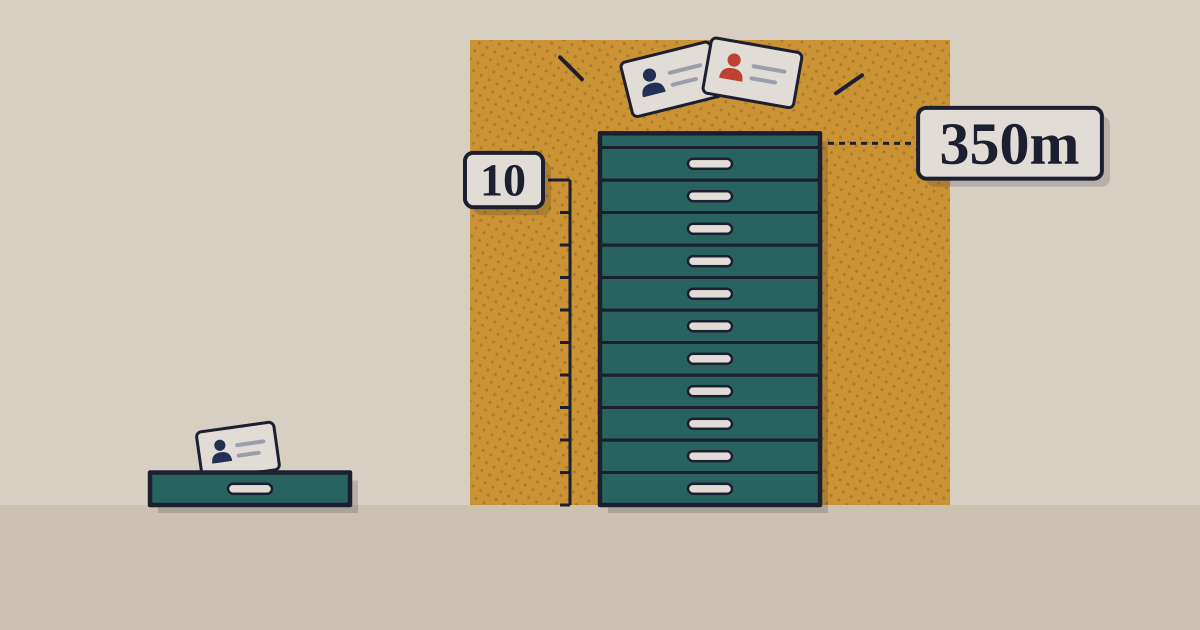
Tokyo Shoko Research, a Japanese credit-research firm, has counted every leak or loss of personal data that a listed company or its subsidiary has disclosed since 2012. Its count for the first ten months of 2026, published on 9 November, is the largest in the series by both measures: incidents and records.1 What changed in October, why the record count ran so far ahead of the incident count, and what does a company that holds customer lists check first?
01215 incidents by October, after fourteen years below 190
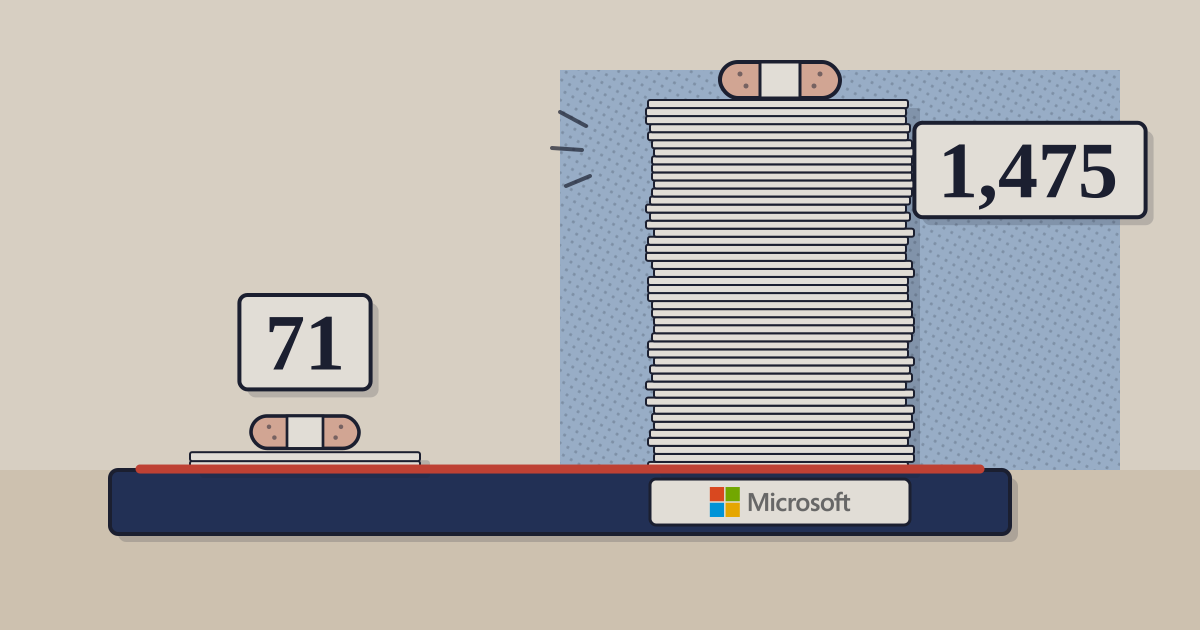
Until September, 2026 looked like 2025: between 8 and 17 incidents a month, about the same pace as the year before. Then October brought 109, more than half the year’s 215.1 The previous record was 189 incidents in all of 2024; 2025 had 180, at a record 158 companies.2
Japan’s listed companies passed the full-year record for leaks in ten months
Personal-data leak and loss incidents disclosed by listed companies and their subsidiaries, by year, 2012 to October 2026
Show tableHide table
| Incidents | |
|---|---|
| 2012 | 71 |
| 2013 | 107 |
| 2014 | 70 |
| 2015 | 87 |
| 2016 | 89 |
| 2017 | 90 |
| 2018 | 85 |
| 2019 | 86 |
| 2020 | 103 |
| 2021 | 137 |
| 2022 | 165 |
| 2023 | 175 |
| 2024 | 189 |
| 2025 | 180 |
| 2026 to Oct | 215 |
Source: Tokyo Shoko Research, surveys of 30 January 2026 and 9 November 2026 · as of 9 November 2026 · 2026 is January to October, preliminary
The cause has been shifting for years. In 2012 TSR counted 9 incidents from malware or unauthorised access; in 2025 it counted 116, 64.4% of the year’s 180, ahead of misdirected emails (37) and lost or wrongly discarded records (18). Internal systems and servers were where 140 of the 180 began.2
02Ten leaks above 10 million records, and why records are not people
In fourteen years to 2025, TSR counted three incidents of 10 million records or more. In 2026 there have been ten, six of them disclosed in October; 29 more fell between 1 million and 10 million, against 6 in 2025.1 The largest is SG Holdings, the parent of the parcel carrier Sagawa Express, at up to 53.23 million records, duplicates included, after unauthorised access to its website’s parcel-inquiry service; it first disclosed possible access on 30 September. Until this year the largest in the series was Benesse’s, about 35.04 million.1
Six of the ten leaks above 10 million records were disclosed in October
Personal records leaked or lost, or possibly so, in each 2026 incident of 10 million or more, millions, January to October 2026
Source: Tokyo Shoko Research, 9 November 2026 · as of 9 November 2026 · Preliminary; counts include records that may have leaked and duplicates
Nine of the ten were unauthorised access; the tenth, at Kyushu Electric Power’s grid subsidiary, was records lost or wrongly discarded. Two routes stand out. Consumer apps and sites: Ryohin Keikaku, which runs Muji, and Monogatari Corporation, which runs the Yakiniku King restaurant chain, both reported access through their official apps. And suppliers: Yumirink builds email-delivery systems for companies and local governments, so its breach put its clients’ customer data at risk too, and TSR says the damage “snowballed”.1 Each listed client that discloses counts as an incident of its own, which is how one supplier’s breach becomes many lines in the count.
A record is not a person. Bookoff’s third report on its October breach puts the gap in numbers: 6,427,735 member records were sent out, which are 6,383,279 people once records sharing an email address are counted once.3 Across companies the overlap is wider, since one shopper can sit in a parcel carrier’s, a retailer’s and a mailing service’s files at once. TSR’s total of 349,998,482 is close to three times Japan’s population, but it is a count of records disclosed, not of people affected.1
03November so far, and what to watch
TSR says large leaks kept coming to light in November.1 On 2 November Nojima, an electronics retailer, said about 7 million members’ names, birth dates, addresses, phone numbers, email addresses, login IDs and encrypted passwords were taken from its Nojima Online store and its used-phone buying site on 1 November; it holds no card data there.4 Bookoff traced its breach to an access-control flaw in part of its member system, filed a preliminary report with Japan’s Personal Information Protection Commission and plans the confirmed report in early December.3
For a company holding customer lists, the year’s count points to three checks:
- Which suppliers hold your customer data, starting with email delivery, where one breach reached many clients. Our Analysis of ARARA follows one such service to up to 380 client firms.
- Who can reach member data through your app and website, the route in the Muji, Yakiniku King and Bookoff cases.13
- How fast you would notice. TSR notes that even an information and communications group with its own security business took more than two months to detect unauthorised access.1
What to watch: TSR’s full-year count, which last year came on 30 January2; whether November’s disclosures keep the monthly figure near October’s 109; and the confirmed reports due to the regulator, Bookoff’s in early December.3
Sources
- Tokyo Shoko Research, TSR Data Insight: 上場企業「個人情報漏えい」、過去最悪を更新 (listed companies' personal-data leaks hit a record; January–October preliminary, about 350 million) — 9 November 2026 In Japanese; re-edited from TSR Jōhō of 6 November.
- Tokyo Shoko Research, TSR Data Insight: 2025年「上場企業の個人情報漏えい・紛失事故」調査 (2025 survey of listed companies' leak and loss incidents) — 30 January 2026 In Japanese.
- Bookoff Group Holdings, 不正アクセスによる個人情報漏えいに関するお詫びとお知らせ(第3報) (third report on the personal-data leak) — 6 November 2026 In Japanese.
- Nojima, ノジマオンラインの不正アクセスに伴う個人情報漏えいに関するお詫びとお知らせ (notice on the Nojima Online leak) — 2 November 2026 In Japanese.
- Japan Exchange Group, TDnet timely disclosure lists, 2 to 13 November 2026 — 2–13 November 2026 TechBag count of notice titles; TDnet keeps about a month of lists.
- CERT-In, Directions under sub-section (6) of section 70B of the IT Act, 2000 (No. 20(3)/2022-CERT-In) — 28 April 2022
- MeitY, Digital Personal Data Protection Rules, 2025, G.S.R. 846(E) (Rules 1 and 7) — 13 November 2025
Disclosure. TechBag is a software reseller: it earns when companies buy through it, including from vendors named here. The analysis is TechBag’s own; no vendor paid for or saw this piece before publication. Facts are labelled reported, TechBag count or our view.
Keep reading