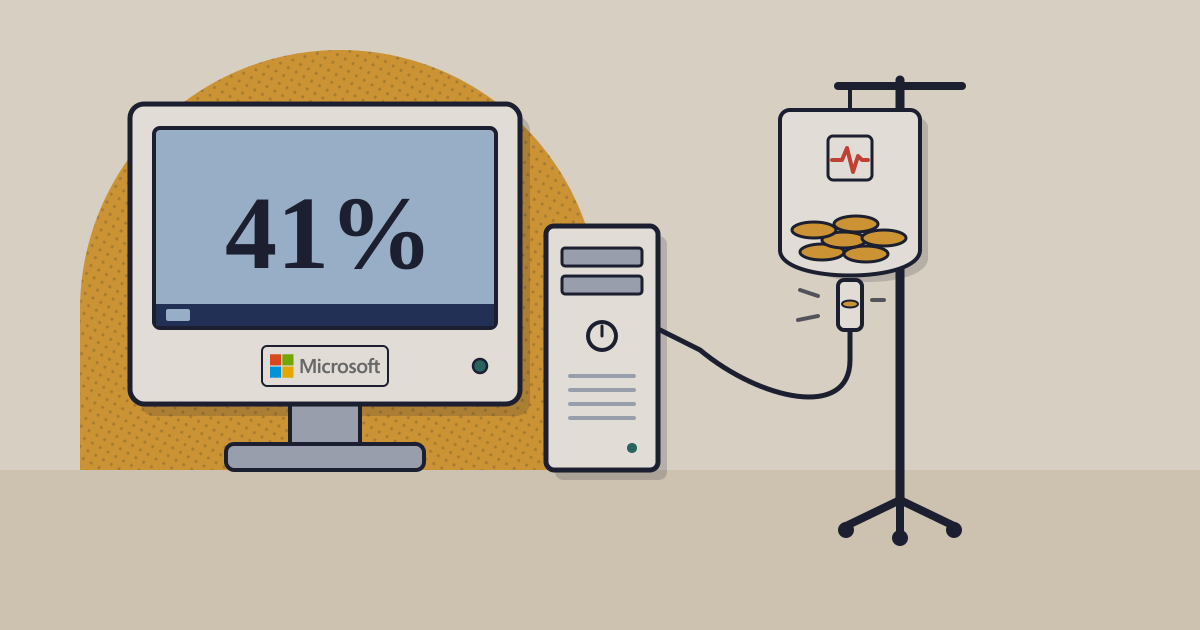
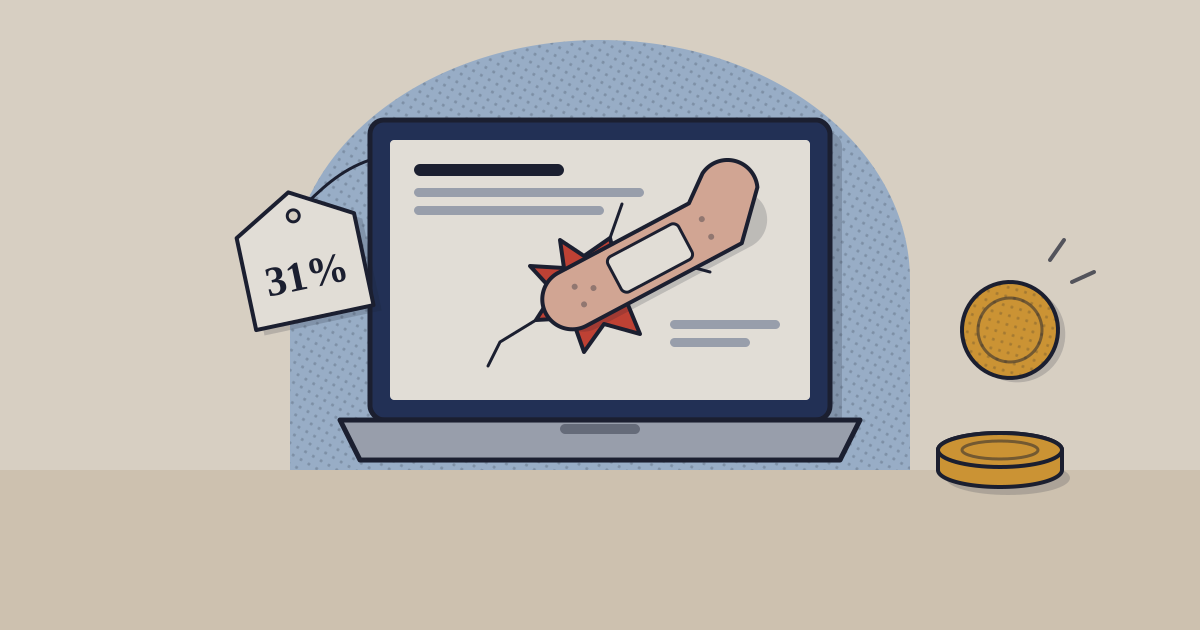
31% of breaches start at an unpatched flaw; RMM to close it costs US$1–3.75 a device
What Verizon’s 2026 breach data and TechBag’s count of 20 RMM and patch products say a 200-device Indian company should expect to pay, as of September 2026.

The original version of this piece answered “why RMM?” with a list of features: alerts, scripts, patch windows, reports. The buyer’s question is narrower. A company with 200 laptops and two IT people wants to know whether an agent on every device is worth a budget line, and what that line is.
01The case for RMM is now a breach statistic
Verizon’s 2026 Data Breach Investigations Report, covering incidents from 1 November 2024 to 31 October 2025, found that 31% of breaches began with the exploitation of a vulnerability, while credential abuse fell to 13% as the way in.1 2 It also measured how slowly holes close: only 26% of the critical flaws on CISA’s known-exploited list were fully remediated in 2025, down from 38% a year earlier, and the median time to fix stretched to 43 days.2
That is the whole argument. An RMM is an agent on every device, a console that sees them all, and a scheduler that installs operating-system and third-party patches in rings without a technician visiting a desk. Monitoring and remote control ride on the same agent, but the patch loop is what moves the 43-day figure.
02What it costs: 7 of 20 products print a price
TechBag’s RMM and patch guide carries 20 product records across 12 vendors, verified against vendor documentation on 22 August 2026. Twelve are quote-only, including every product from N-able, ConnectWise and Datto; LogMeIn Resolve prices per endpoint without printing the figure; seven publish one.3 Per-device rates run from Splashtop AEM’s stated ceiling of US$1 a month to NinjaOne’s US$3.75 at 50 or fewer endpoints, falling to US$1.50 at 10,000. SuperOps prints US$1.50 at its 100-endpoint minimum. Atera prices per technician instead (US$149 a month, unlimited devices).3 4
One statistic makes the case, and the tool that answers it costs US$1 to US$3.75 a device a month
Verizon DBIR 2026 breach share and remediation time; published RMM and patch list prices, September 2026
31%
Breaches that began with an exploited vulnerability
Verizon DBIR 2026
43 days
Median time to fully remediate a vulnerability
Verizon DBIR 2026
US$1 to 3.75
Published per-device monthly price, priced products
TechBag count, Aug 2026
200 free
Endpoints Action1 manages at no charge; ManageEngine is free to 25
Vendor pages via TechBag guide
Source: Verizon 2026 DBIR via Help Net Security; TechBag RMM & patch guide (20 product records, verified 22 August 2026); vendor pricing pages · as of 30 September 2026 · Published figures only; quote-only products are excluded, not estimated
Two of the five products the original recommended were never RMMs: Hexnode manages phones and laptops, and Auvik monitors network gear. The honest shortlist for a 200-device company is Action1 at no charge, Atera if the team is two people and the fleet is growing, or NinjaOne and SuperOps if the third-party patch catalogue matters more than the invoice.
03In India the agent is also the evidence
CERT-In’s Directions of 28 April 2022 require every body corporate to synchronise clocks to the NIC or NPL time source, report a listed incident within 6 hours, and keep logs of all ICT systems for a rolling 180 days within Indian jurisdiction.5 An RMM does not store those logs, but it is the only live inventory most small IT teams have, which is the first thing CERT-In asks for after an incident. The DPDP Rules, notified on 13 November 2025, add a duty of reasonable security safeguards from 13 May 2027.6
Sources
- Verizon, 2026 Data Breach Investigations Report (report page; incidents 1 November 2024 to 31 October 2025) — May 2026
- Help Net Security, Lessons for organizations from the Verizon 2026 DBIR (31% exploitation, 13% credential abuse, 26% KEV remediated vs 38%, 43 days) — 25 May 2026
- TechBag, RMM & patch management decision guide (20 product records; price, minimum, free-tier and hosting fields) — verified 22 August 2026
- NinjaOne pricing (US$3.75 at 50 or fewer endpoints to US$1.50 at 10,000) and Atera pricing (US$149 per technician, Professional, annual) — undated page Atera: atera.com/pricing, same check.
- CERT-In, Directions under section 70B(6) of the IT Act, 2000 (clock sync; 6-hour reporting; 180 days of logs within Indian jurisdiction) — 28 April 2022
- Digital Personal Data Protection Rules, 2025: notification and phased commencement (reasonable security safeguards from 13 May 2027) — notified 13 November 2025
Disclosure. TechBag is a software reseller: it earns a margin when a reader buys through it, including from vendors named here. The analysis is TechBag’s own; no vendor paid for or saw this piece before publication. Facts are labelled reported, TechBag count or our view.
Keep reading