Data & privacyNote
Australia passes digital duty of care law; Greens say fines rise to 5% of global revenue
Parliament’s record of 25 November: the bill passed both houses with 52 Senate amendments. What the duty asks of platforms, the fines, and how it differs from the under-16 ban.

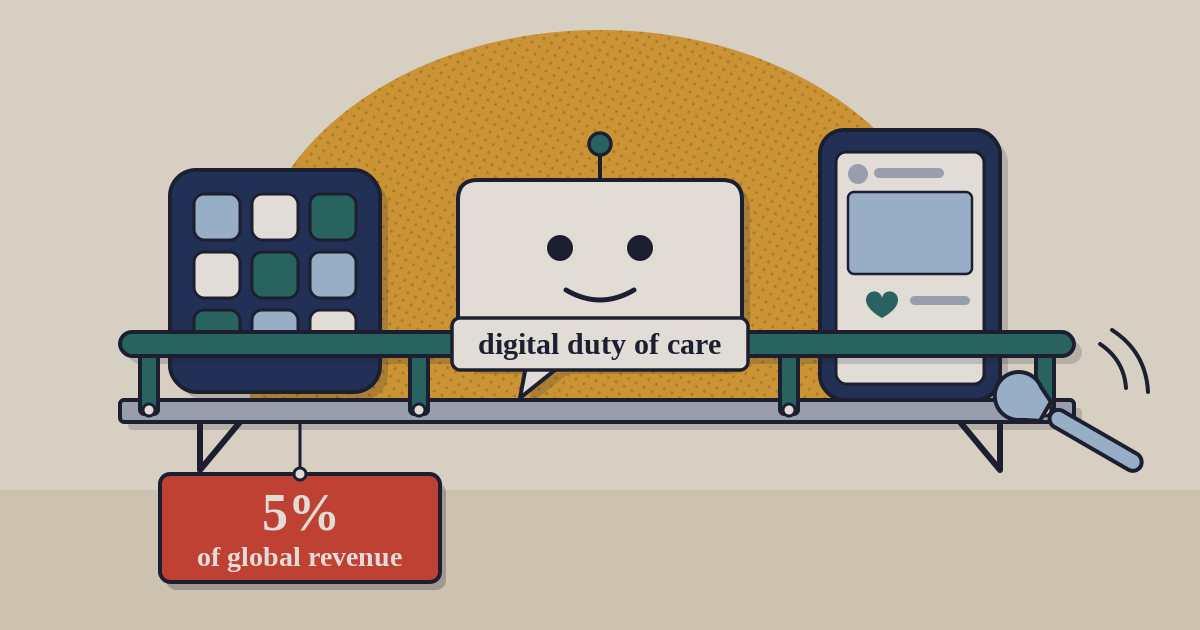
Australia has put a legal duty of care on online services. The Online Safety Amendment (Digital Duty of Care) Bill 2026 “finally passed both Houses” on 25 November, Parliament’s record shows: the Senate read it a third time with 42 government and 10 Australian Greens amendments, and the House of Representatives agreed to them the same day. It now waits for royal assent.1 The Greens, whose votes it needed in the Senate, announced their deal with the government a day earlier: fines of “5% of global revenue” for each breach, a private right of action so that Australians can sue platforms for harm suffered online, rules against addictive design such as infinite scroll and autoplay, and an independent ombudsman for disputes.3
Six weeks from introduction to passage, with 52 Senate amendments agreed on the last day
The Digital Duty of Care bill's progress through Australia's Parliament, 15 October to 25 November 2026
Show tableHide table
| Date | Event | Detail |
|---|---|---|
| 15 Oct 2026 | Introduced | Read a first time in the House of Representatives; sent to a Senate committee |
| 28 Oct 2026 | House passes | 15 government and 8 crossbench amendments agreed |
| 16 Nov 2026 | Senate first reading | |
| 20 Nov 2026 | Committee reports | Senate Environment and Communications Legislation Committee |
| 24 Nov 2026 | Greens deal | Greens announce fines of 5% of global revenue and a right to sue |
| 25 Nov 2026 | Passed both houses | Senate: 42 government and 10 Greens amendments; House agrees |
Source: Parliament of Australia, bill homepage r7553; Australian Greens (24 Nov 2026) · as of 26 November 2026, 7:45pm IST
01What the duty asks a platform to do
The core is one sentence, proposed section 26: a person responsible for an online service “must take appropriate action to ensure a safe online environment, including by taking effective measures to mitigate risks identified in risk assessments”. Written risk assessments are due at least once a year and before any significant change that could add risk. In judging whether a measure is appropriate, “the cost of the action or measures must not be taken into account”. Private communications between consenting adults are exempt.2
“Online service” is drawn wide: social media, hosting, search engines, app distribution services (app stores), services that generate material using AI, internet carriage services and some equipment makers. A safe environment protects everyone from seriously harmful material and conduct, protects children from material harmful to them, and keeps under-16s on social media away from design features with “negative behavioural impacts”: recommender feeds and logged-in features, plus any the minister adds. The duty replaces today’s industry codes after 12 months.2
02How it differs from the under-16 ban
Since 10 December 2025, age-restricted social media platforms must take reasonable steps to stop Australians under 16 creating or keeping accounts, with court-imposed fines of up to 300,000 penalty units (A$109.2m) for a company.4 That rule is about who holds an account. The duty of care is about how a service is built and run for every user, adults included, and it reaches beyond social media to app stores, search and AI tools. Some powers come sooner: from the day after royal assent, eSafety can order an app store or search engine to remove an app or its links within 24 hours, and penalties for ignoring such notices rise from 500 to 6,000 penalty units (A$2.184m).2
What to watch: the date of royal assent, which starts the 12-month clock, and the final text, which will show how the Greens’ 5% penalty and right to sue were written. The Greens’ message to platforms on 25 November was blunt: “make your platforms safe or we will see you in court.”5 Australia announced six duties for frontier AI firms on 10 November; the duty of care now sits alongside them.
Sources
- Parliament of Australia, Online Safety Amendment (Digital Duty of Care) Bill 2026, bill homepage (r7553): progress and amendment details — read 26 November 2026
- Parliamentary Library, Bills Digest: Online Safety Amendment (Digital Duty of Care) Bill 2026 — 2026–27 series, on the bill as introduced 15 October 2026
- Australian Greens, Big Tech will be hit with multibillion dollar fines under Greens agreement on Digital Duty Care — 24 November 2026
- eSafety Commissioner, Social media age restrictions — read 26 November 2026
- Australian Greens, The Digital Duty of Care Laws have passed Parliament thanks to a deal struck between the Greens and Labor — 25 November 2026
Disclosure. TechBag is a software reseller: it earns when companies buy through it, including from vendors named here. The analysis is TechBag’s own; no vendor paid for or saw this piece before publication. Facts are labelled reported, TechBag count or our view. How the Journal works.
Keep reading