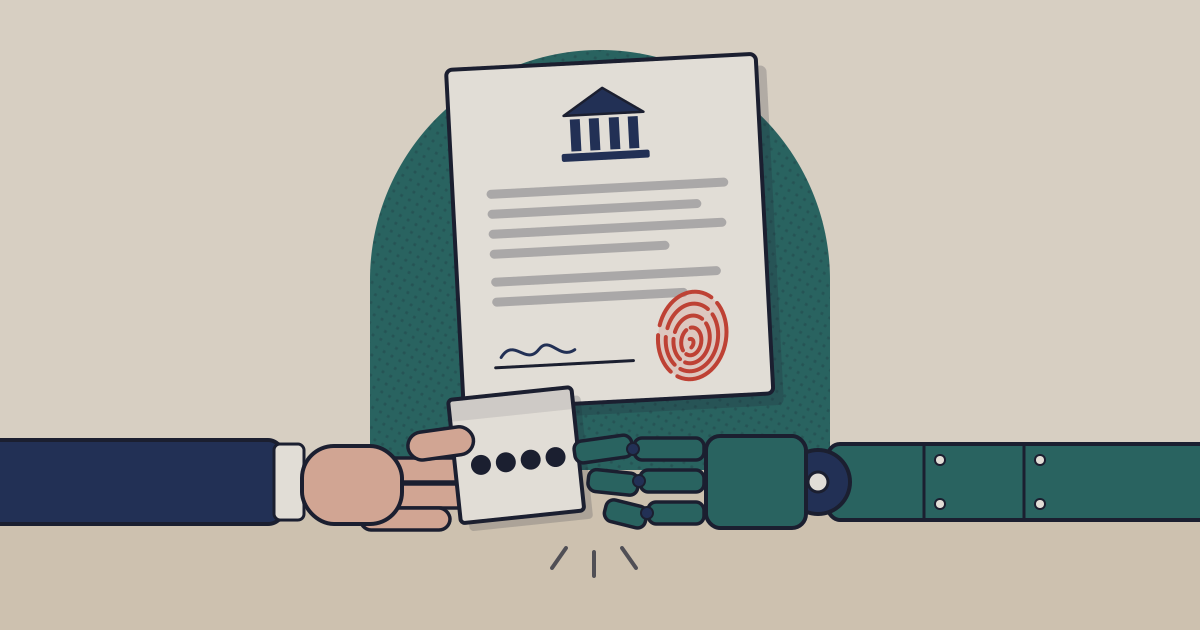
Three Indian rulebooks put a named person, not a bot, behind every complaint
Who must answer a customer complaint under the IT Rules, the E-Commerce Rules and the DPDP law, as amended to September 2026, and where an AI agent fits.

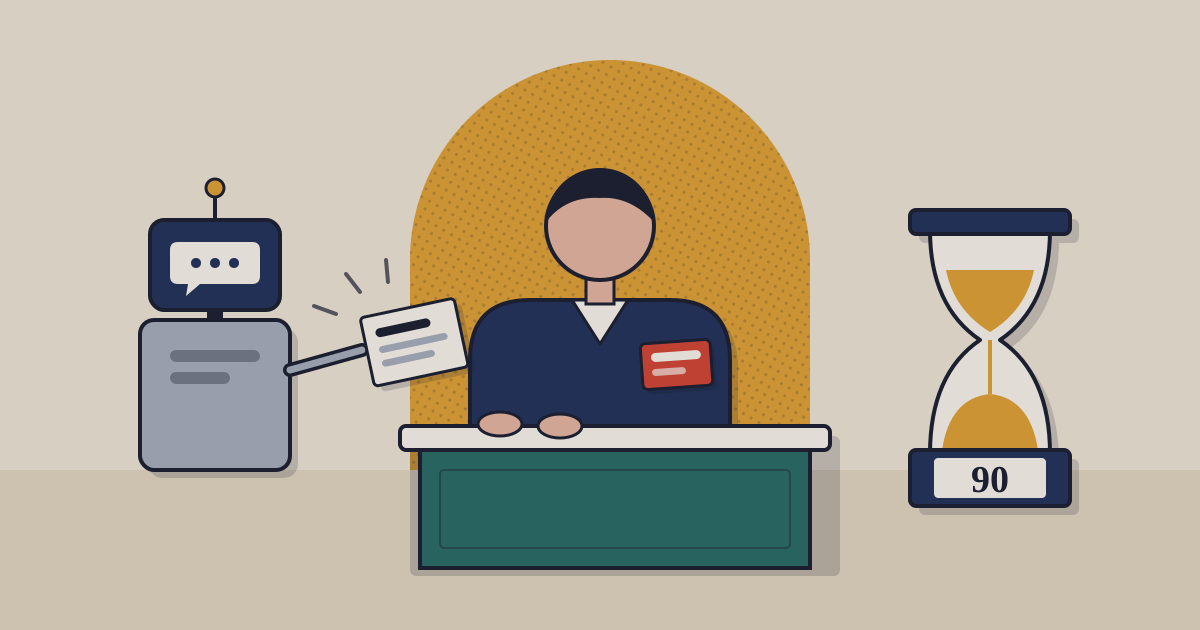
Indian law has already decided how much of customer connection a business may hand to a machine: three rulebooks put a named person behind the complaint channel, so a bot can take the complaint but a person has to answer it. In September 2023 this blog argued for keeping a human touch because customers want empathy. That is true, but it is an argument a finance team can wave away. The rules are not. The question for an Indian business buying an AI support agent is where the bot stops and the accountable human starts.
01Three rulebooks, each with a name attached
The IT (Intermediary Guidelines) Rules, 2021 make a platform publish its Grievance Officer’s name and contact, and that officer must acknowledge a complaint within 24 hours and, since an amendment dated 10 February 2026, resolve it within seven days.1 The Consumer Protection (E-Commerce) Rules, 2020 require every online seller to display customer-care and grievance-officer contacts. The amendment notified on 9 September 2026, in force from 1 January 2027, adds that the customer gets a copy of the complaint “as recorded by the grievance officer”.2 The DPDP Rules, 2025 make every data fiduciary publish a grievance response period from 13 May 2027,3 and the 2023 Act asks it for the contact of “a person who is able to answer” the customer’s questions about their data.4 How long each regulator gives a business to settle the complaint, and how that differs for an insurer, a broker, a bank and an online shop, is charted in our note on the complaint clock behind every chatbot.
02Where the bot fits, and where the officer takes over
The acknowledgement is the part AI does well. A receipt, the order number, the photo of the damaged parcel and the category of the problem are template work, and a bot that collects them at midnight saves the human a day. The resolution is where the law puts a name. The 2026 wording matters here: if the customer is owed the complaint “as recorded by the grievance officer”, the bot’s transcript has to land in a ticket that officer owns, with the clock started at the customer’s first message, not at the hand-off.2
Under India's e-commerce rules a bot can take the complaint, but the record and the answer belong to a named officer
Steps of a customer complaint to an online seller under the Consumer Protection (E-Commerce) Rules, 2020, as amended to September 2026
- 01
Intake: the bot
Acknowledge within 48 hours and collect the order, the evidence and the category. The clock is already running.
- 02
Record: the officer’s ticket
The complaint is recorded in the grievance officer’s name, and the customer gets a copy of that record.
- 03
Answer: a named person
The officer whose name and contact the seller displays redresses the complaint within the rule’s window.
Source: Consumer Protection (E-Commerce) Rules, 2020, rule 4(4) and 4(5), as substituted by the (Amendment) Rules, 2026 · as of 30 September 2026 · Which step a bot may run is our reading of the rule, not legal advice; the recorded-copy duty applies from 1 January 2027
03Buying it in India
The human seat is the cheap, published part. Zoho Desk lists India prices from about ₹420 an agent a month on Express to about ₹2,400 on Enterprise, the tier that carries its Zia AI, billed annually, with 18% GST on top.5 The AI half is now usually billed per conversation rather than per seat, in US dollars, and invoiced in INR with 18% GST when bought through a reseller; we compared five such price lists, from US$0.49 to US$2.00 a chat, in a separate note.6 Name the officer and staff the human queue first, then let the bot take the volume it can close.
Sources
- MeitY, IT (Intermediary Guidelines and Digital Media Ethics Code) Rules, 2021, consolidated; Rule 3(2), as substituted by G.S.R. 120(E) — updated as on 10 February 2026
- Ministry of Consumer Affairs, Consumer Protection (E-Commerce) (Amendment) Rules, 2026, Rule 4(4) and 4(5) as substituted — notified 9 September 2026; in force 1 January 2027
- MeitY, Digital Personal Data Protection Rules, 2025 (G.S.R. 846(E)), Rule 14(3) and Rule 1(4) — 13 November 2025
- Digital Personal Data Protection Act, 2023, section 8(9) — 11 August 2023
- TechBag, Zoho Desk intel page (India plan prices) — undated page
- TechBag blog, An AI support chat costs US$0.49 to US$2.00: five price lists, compared — published 14 January 2025
Disclosure. TechBag is a software reseller: it earns a margin when a reader buys through it, including from vendors named here. The analysis is TechBag’s own; no vendor paid for or saw this piece before publication. Facts are labelled reported, TechBag count or our view.
Keep reading