Trezor found hidden boards in 3 wallets and cut its reseller network by about 80%
Trezor’s update of 12 November: a board between the screen and the main board that sent recovery words out by mobile network, the reseller behind it, and what changed.
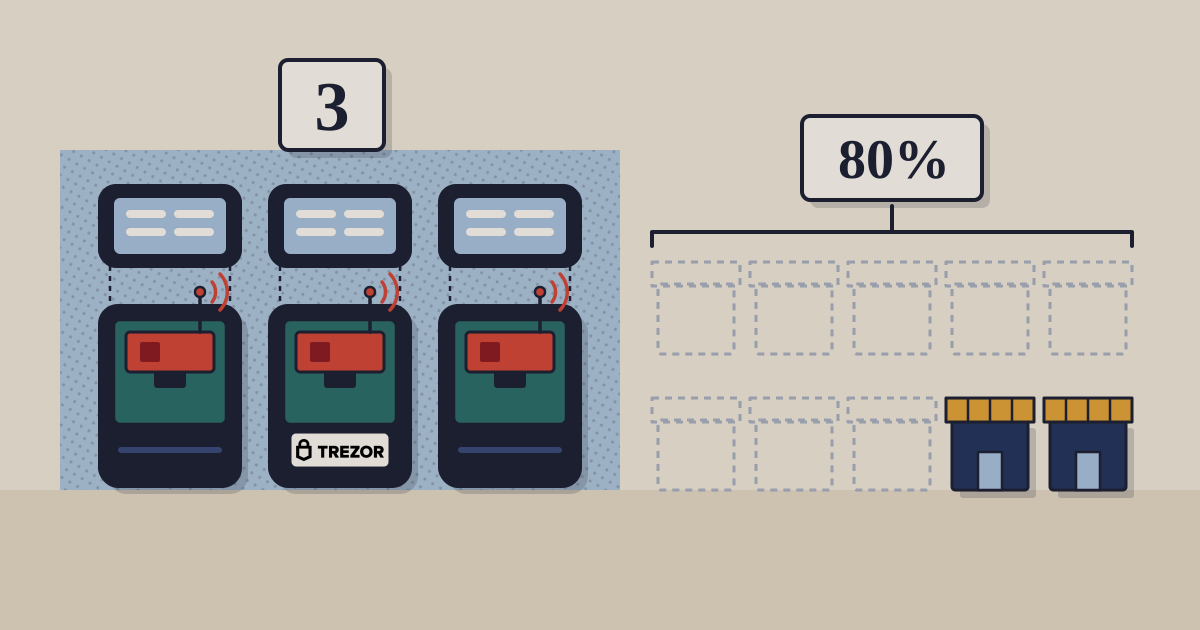
Trezor has found an extra circuit board, fitted between the main board and the screen, inside three of its Trezor Safe 5 hardware wallets. The board copied the recovery words shown on the screen and sent them out over a mobile network. All three wallets were bought from one reseller, CryptoBilis, between 20 August and 23 September.1 In an update on 12 November, Trezor said it had cut its reseller network by about 80% and that firmware 2.13.1, released the day before, stops the implants it has found from capturing anything. No customer has reported losing funds, Trezor says.1
3
Trezor Safe 5 wallets found with the implant, all bought from CryptoBilis
Trezor
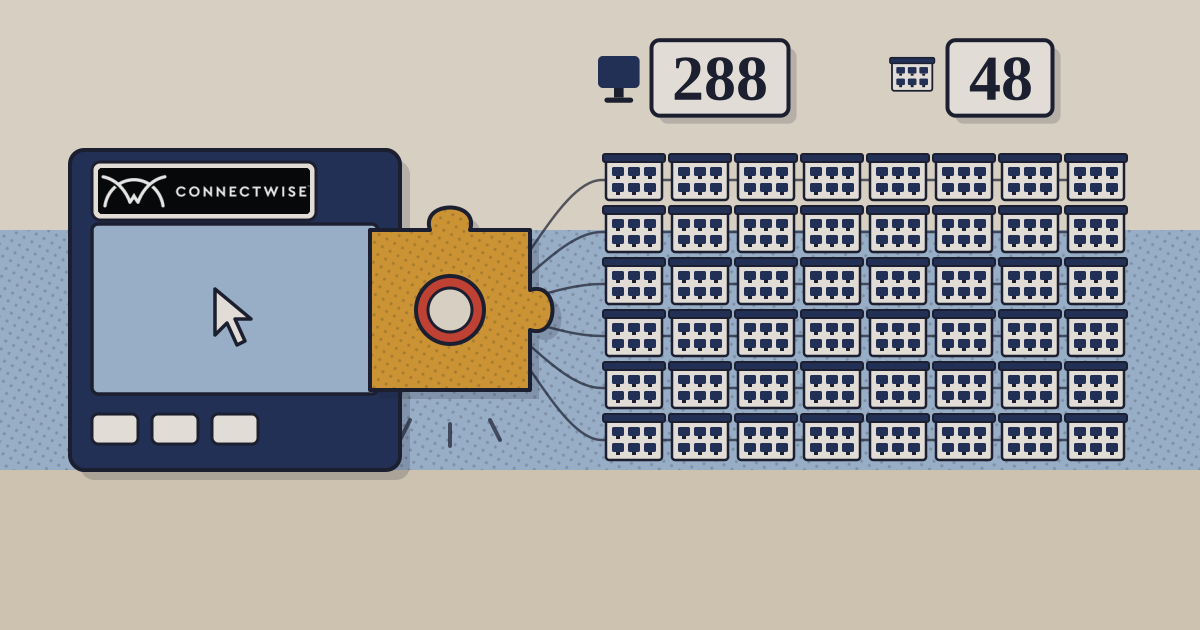
48
CryptoBilis buyers who came forward to have their devices checked
Trezor
~80%
of Trezor’s reseller network cut, under stricter rules for the rest
Trezor
2.13.1
firmware, released 11 November, that blinds the implants found
Trezor
01What the hidden board did
A hardware wallet keeps the keys to someone’s cryptocurrency on a small offline device. Its recovery words, 20 on a Trezor Safe 5’s backup cards, are the master copy of those keys: whoever holds them can rebuild the wallet on any device and move the funds.4 Trezor’s engineers extracted the firmware from the implant in the first reported device. The board only listens. It copies everything the screen shows, including what the owner types on the device, and stores the recovery words whenever they appear: when the device creates a new backup, and when the owner types an existing backup in to recover a wallet. It does the same with a passphrase. It encrypts what it captures and sends it to a server run by the attackers over the mobile network, retrying until it connects. It changes nothing on the device itself, neither the firmware nor the Secure Element chip.1
CryptoBilis was, until October, an official Trezor reseller in Southeast Asia. The first device was reported on 28 October by a customer in Indonesia who had bought it through CryptoBilis’s store on Tokopedia; the three confirmed ones came through its Tokopedia and Shopee stores and from CryptoBilis directly. Trezor’s lab examined the first; the other two were identified from photos their owners sent. Every other device checked, including ones from Trezor’s other resellers in the region, showed no sign of tampering.12
Trezor says the implant works the same way as those found in Ledger wallets. Ledger said on 15 October that “a highly organized criminal group” had spent many months buying genuine Ledger devices, fitting hidden components to capture the recovery phrase during setup, and putting them back on sale through resellers in South East Asia; there was no flaw in Ledger’s chip, operating system or servers.3 CryptoBilis sold both brands, and Trezor removed it on 9 October, the day Ledger began investigating fund losses among its customers.2
Trezor confirmed 3 implanted wallets 7 weeks after the last was sold
Purchases, disclosures and fixes in Trezor’s and Ledger’s own statements, 20 August to 12 November 2026
Show tableHide table
Date
Event
Detail
20 Aug 2026
First implanted wallet bought
Earliest of the three confirmed purchases from CryptoBilis
23 Sept 2026
Last implanted wallet bought
Bought via Tokopedia, Shopee or CryptoBilis directly
9 Oct 2026
Trezor drops CryptoBilis
The day Ledger began investigating losses among its buyers
15 Oct 2026
Ledger’s statement
Implants fitted to genuine devices resold in South East Asia
28 Oct 2026
Implant reported to Trezor
A Safe 5 bought in August, reported from Indonesia
30 Oct 2026
Trezor warns buyers
Move funds to a new wallet with a new seed
11 Nov 2026
Firmware 2.13.1
Stops the implants found from capturing anything
12 Nov 2026
3 confirmed; resellers cut 80%
48 CryptoBilis buyers had come forward
Source: Trezor, updates of 30 October and 12 November 2026; Ledger, 15 October 2026 · as of 12 November 2026
The TechBag Journal
02What changed, and what a buyer can check
The firmware fix does not rescue a backup the implant has already sent. Anyone who bought a Trezor from CryptoBilis from March 2026 onwards should move their funds to a new wallet with a new seed, and is offered a replacement device or a refund.1 The resellers Trezor dropped were, in its words, “trustworthy and posed no immediate threat” but did not fit stricter rules on how devices are sourced, stored and who can touch them.1 Ledger has told its resellers to keep stock off shelves and hand it over only at the moment of sale, and never to resell a returned device.3
Trezor is working with SEAL 911, the Security Alliance’s emergency response service, and says it will not publish technical details that could help attackers.1 The Journal’s note on the US$6.3bn Binance theft covers the other end of crypto custody: keys held online by an exchange.
Disclosure. TechBag is a software reseller: it earns when companies buy through it, including from vendors named here. The analysis is TechBag’s own; no vendor paid for or saw this piece before publication. Facts are labelled reported, TechBag count or our view.