A first name in the subject line lifted sales leads 31% in a randomised test
What a 2018 field experiment found when email subject lines carried the reader's name, what to automate next, and the India consent and invoice view, as of September 2026.

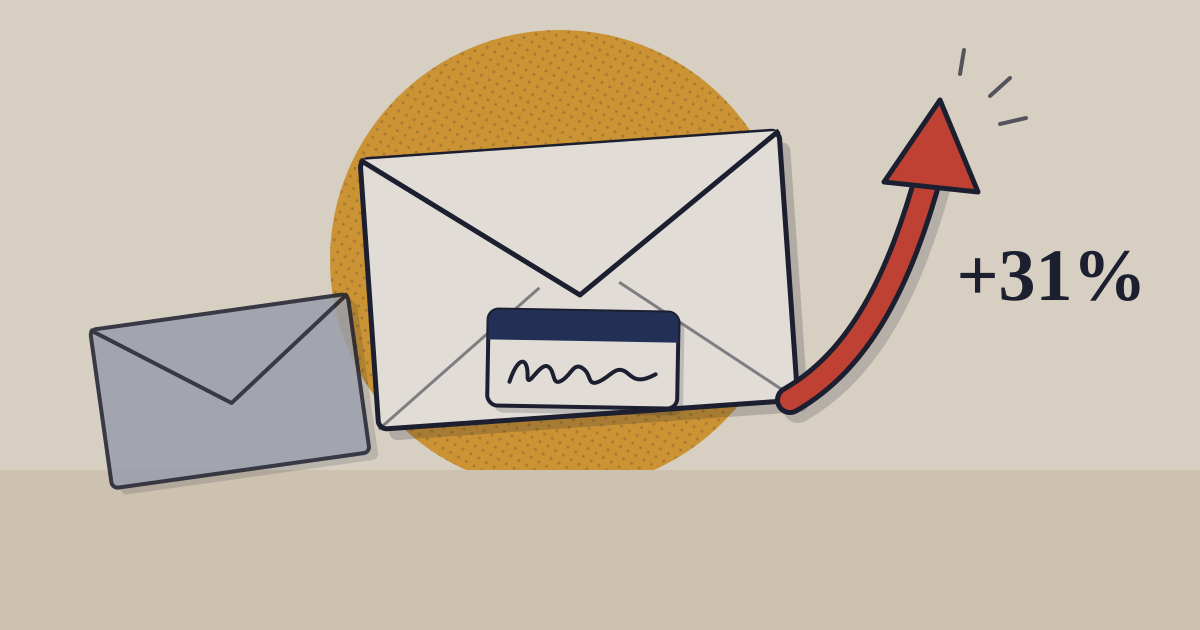
The cheapest thing an email tool automates has the best evidence behind it: in a randomised field experiment, putting the recipient’s name in the subject line raised sales leads by 31% and cut unsubscribes by 17%.1 A merge field costs nothing on any plan. What it shows is the real case for automation: not sending more, but making each message read as if it were written for one person, at a scale nobody could manage by hand.
The 2023 version of this piece promised better open rates from segmentation, triggers and drip campaigns. The buyer’s question is the same three years on: which automation is worth switching on, and how would you know it worked?
01What a randomised test measured
Navdeep Sahni, Christian Wheeler and Pradeep Chintagunta ran randomised experiments on the email programmes of three companies and published them in Marketing Science in February 2018. In the main one, half the list got the subject line with their name and half without. Opens rose from 9.05% to 10.80%, sales leads from 0.39% to 0.51% of recipients, and unsubscribes fell from 1.2% to 1.0%.1 The authors’ reading is that the name made people pay attention to the rest of the email, not that the email became more relevant; Chicago Booth’s write-up of the work makes the same point.2
A first name in the subject line lifted leads 31% and cut unsubscribes 17%
Relative change against the same email without the name, main randomised experiment, Marketing Science, February 2018, %
Source: Sahni, Wheeler and Chintagunta, Marketing Science 37(2), via Stanford Graduate School of Business · as of 27 February 2018 · Leads 0.39% to 0.51%; opens 9.05% to 10.80%; unsubscribes 1.2% to 1.0%. Measured before Apple changed open tracking in 2021
02What to automate after the name
The same logic, a message that matches what this one person just did, is why triggered sequences outperform scheduled campaigns. Which sequences to build first, and what they earned across 150,000 brands in 2025, is in our drip campaign analysis. The limit on how much automation can send before the mailbox providers push back is the subject of our note on email cadence; read it before the first workflow goes live.
03Buying and sending in India
Personalisation fields and simple triggers come with the entry plans; the plan that unlocks segmentation costs US$4.50 to US$20 a month at the entry contact tier on five tools.4 The invoice is the India question. Pipedrive Campaigns bills in US dollars without a GST invoice, so the buyer self-accounts 18% IGST under reverse charge; Zoho Campaigns bills in rupees with GST.5 TechBag resells Zoho and HubSpot. A name in a subject line is personal data, and a marketing email to an individual in India rests on consent under the DPDP Act, 2023; its Rules were notified on 13 November 2025 and the substantive duties, including the right to withdraw consent as easily as it was given, apply from 13 May 2027.67 Check that the name field came with the consent, not from a scraped list.
Sources
- Sahni, Wheeler and Chintagunta, Personalization in Email Marketing: The Role of Noninformative Advertising Content, Marketing Science 37(2) (opens 9.05% to 10.80%, leads 0.39% to 0.51%, unsubscribes 1.2% to 1.0%) — 27 February 2018
- Chicago Booth Review, Open this, [NAME]! Why personalized email subject lines work — undated page
- Google, Email sender guidelines FAQ (bulk-sender status does not expire) — vendor FAQ, undated
- TechBag blog, Segmented emails got 2× the clicks; the builder costs US$4.50 to US$20 a month — 3 June 2025 Prices as stated in that post.
- TechBag, Pipedrive Campaigns intel page (billing and GST) — version of 30 September 2026
- DPDP Rules 2025, commencement timeline — notified 13 November 2025
- Digital Personal Data Protection Act, 2023, section 6 (consent and its withdrawal) — 11 August 2023
Related on TechBag: the HubSpot Marketing Hub page sets out the contacts-tier arithmetic; the email security guide covers the DMARC tools that protect the domain your campaigns send from.
Disclosure. TechBag is a software reseller: it earns a margin when a reader buys through it, including from vendors named here. The analysis is TechBag’s own; no vendor paid for or saw this piece before publication. Facts are labelled reported, TechBag count or our view.
Keep reading