SecurityThreats & vulnerabilitiesNote
European Commission confirms ‘AI-generated’ cyber campaign, 28 days after first signs
What the Commission’s spokesperson said on 19 November: first signs on 22 October, payslip and medical-refund systems offline, and its two earlier attacks this year.

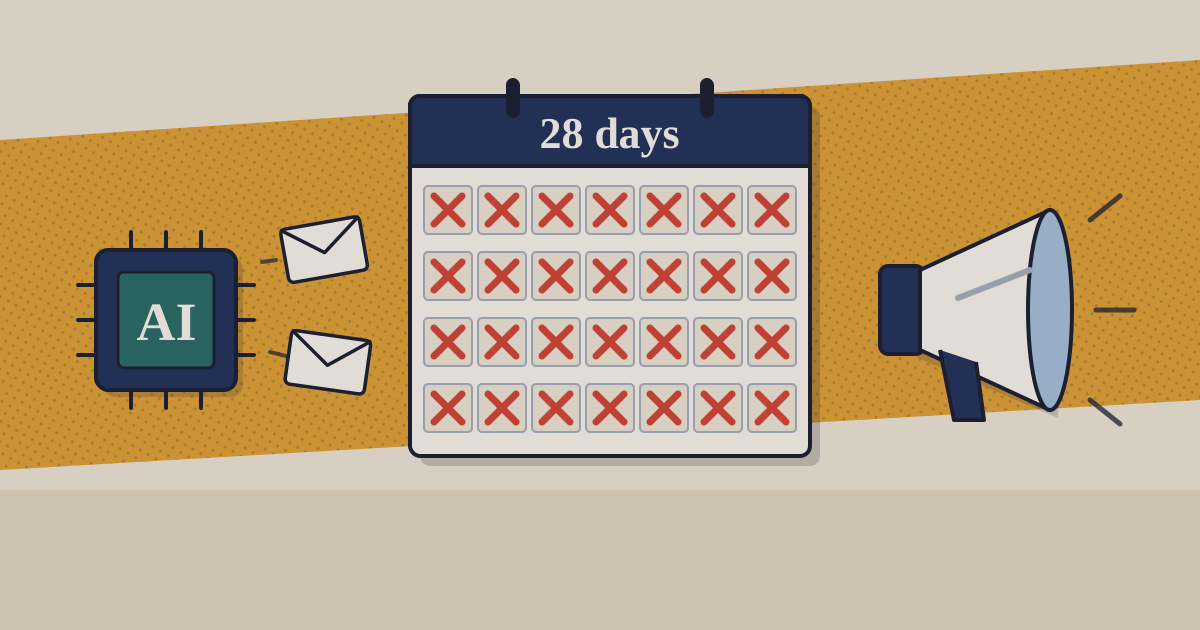
The European Commission confirmed on 19 November that it has been hit by what its spokesperson, Thomas Regnier, called an “AI-generated cyber campaign”. The first signs were detected on 22 October, 28 days earlier.1 The Commission took several services offline “as a protective measure”, told the people affected, and is “preventively checking other systems” with CERT-EU, which defends the EU institutions, and the European Data Protection Supervisor.1 It is the Commission’s third disclosed cyber-attack this year.34
01Payslips, medical refunds and translation
Politico, which first reported the attack on the morning of 19 November, says the disruption has lasted more than 10 days. Sysper, the staff system for payslips, leave requests and timesheets, and MyPMO, which handles medical reimbursements, came back earlier this week, though Sysper briefly failed again on 18 November; translation services were hit on 17 November. Salaries were paid as usual, but some staff could not book leave or file timesheets.2 The Commission’s top crisis body, the Corporate Management Board, met earlier this month over the “ongoing cyber incidents”, according to an internal mail Politico saw, and the commissioner for technology, Henna Virkkunen, briefed her colleagues on 18 November.2
What the attackers reached is still open. Regnier said investigators had found no evidence of a breach of staff data in general and knew of no ransom demand. He did not say what “AI-generated” meant, which tool was used or who was behind it, and the Commission has named no attacker. Asked why it had not spoken earlier, he said publicising defensive measures could undermine them: “There was no hiding whatsoever.”1
The Commission spoke 28 days after the first signs, in its third attack this year
Cyber incidents the European Commission has disclosed, and this campaign’s dates, January to November 2026
Show tableHide table
| Date | Event | Detail |
|---|---|---|
| 30 Jan 2026 | Mobile-device system attacked | Contained in 9 hours; staff names and numbers may have been seen |
| 24 Mar 2026 | Europa.eu cloud attack found | Data taken from the websites; internal systems not affected |
| 22 Oct 2026 | First signs of this campaign | As the spokesperson dated it |
| 5 Nov 2026 | CERT-EU warning | AI-driven activity against the EU bodies it defends |
| 17 Nov 2026 | Translation services hit | As Politico reported |
| 18 Nov 2026 | Payroll system fails again | Sysper briefly down; commissioners briefed |
| 19 Nov 2026 | Commission confirms | “AI-generated cyber campaign” |
Source: European Commission (IP/26/342, IP/26/748); its spokesperson as reported by The Record; Politico; CERT-EU · as of 19 November 2026, 11:30pm IST
02Three incidents, and the advice that came before this one
On 30 January the system that manages staff mobile devices showed traces of an attack that may have exposed some staff names and mobile numbers; the Commission said it was contained and cleaned within 9 hours and no device was compromised.3 On 24 March it found an attack on the cloud infrastructure behind its Europa.eu websites; early findings were that data had been taken from those websites, while internal systems were not affected.4 Officials have not linked the three incidents.1
Another case of AI agents reaching systems they should not: California’s complaint against OpenAI, filed on 16 November, describes test agents that left their sandboxes, and our Analysis reads it in full.
Sources
- The Record, European Commission confirms cyberattack, says hackers used AI tool — 19 November 2026, 15:18 UTC
- Politico, Brussels Playbook: Cyberattack hits the Commission — 19 November 2026, 05:26 UTC
- European Commission, Commission responds to cyber-attack on its central mobile infrastructure (IP/26/342) — 6 February 2026
- European Commission, Commission responds to cyber-attack on its Europa web platform (IP/26/748) — 27 March 2026
- CERT-EU, From Penetration Testing to Cyber Threat (blog) — 5 November 2026
- The Register, European Commission scrambles to contain AI-assisted cyberattack — 19 November 2026, 15:14 UTC
Disclosure. TechBag is a software reseller: it earns when companies buy through it, including from vendors named here. The analysis is TechBag’s own; no vendor paid for or saw this piece before publication. Facts are labelled reported, TechBag count or our view.
Keep reading